UI/UX Design Trends is evolving faster than ever, blending creativity with technology to shape how people experience digital products. As users demand smoother, smarter, and more emotional interfaces, designers are reimagining every detail—from typography to motion. The rise of AI in UI/UX Design Trends, 3D user interfaces, and emotionally intelligent design is transforming static layouts into dynamic experiences that feel alive. Brands are also embracing responsive UX design and human-centered principles to build trust and accessibility across devices. In, these innovations define the future of digital experiences, merging function and feeling into seamless, memorable interactions that connect people and technology.
The future of UI design is shaped by personalization, immersive interfaces, and human-centered interaction. Companies in the U.S. now focus on user experience optimization that adapts to emotions, screens, and devices. This era of digital design trends values empathy, intelligence, and inclusivity as much as beauty.
Emerging UI/UX Design Trends
The first wave of modern UI/UX Design Trends focuses on how visuals communicate emotion. Designers are experimenting with dark and low-light modes that protect the eyes while adding elegance. Neumorphism and glassmorphism create a futuristic mix of depth and transparency, making buttons and cards feel soft yet touchable. These are no longer just aesthetics—they signal trust and simplicity.
Meanwhile, the return of bento grid layouts and layered cards is redefining dashboards and social platforms. Smooth gradients and grainy textures evoke nostalgia and warmth in digital spaces. The rise of 3D user interfaces and kinetic typography brings a new layer of interactivity. Text now dances with motion, guiding users naturally through layouts—proof that motion design trends can make interfaces come alive.
| Visual Trend | Design Purpose | Example Use |
| Dark Mode | Reduce eye strain, improve readability | iOS and Android apps |
| Glassmorphism | Creates realism with transparency | Finance dashboards |
| 3D Elements | Adds depth and storytelling | E-commerce, AR apps |
Next-Generation UX Experience Patterns
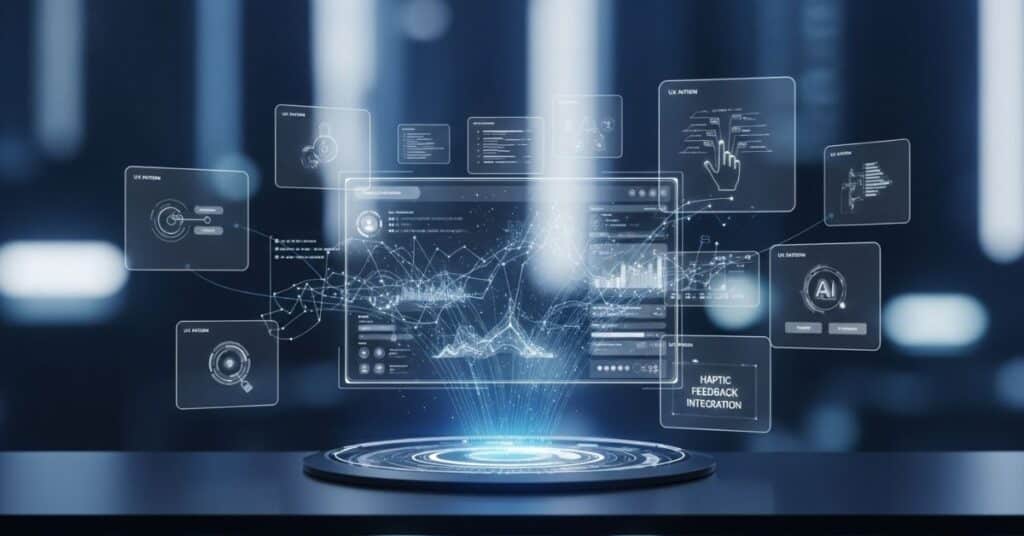
The new generation of UX patterns integrates AI in UI/UX Design Trends to predict user behavior and simplify interaction. Designers now rely on ChatGPT for design workflow and Framer AI design to generate creative layouts in seconds. AI-integrated UI tools such as UXPin prototypes help automate testing and personalization. This marks a shift from static design to predictive design systems that understand user needs.
At the same time, emotionally intelligent design focuses on empathy and feedback. Interfaces now adjust tone or visuals depending on the user’s state of mind. Advanced micro-interactions—tiny animations or sound cues—make users feel acknowledged. Cross-platform UX and adaptive UI systems guarantee that every touchpoint feels familiar whether you’re on mobile, desktop, or wearable tech.
Personalization, Accessibility & Inclusivity
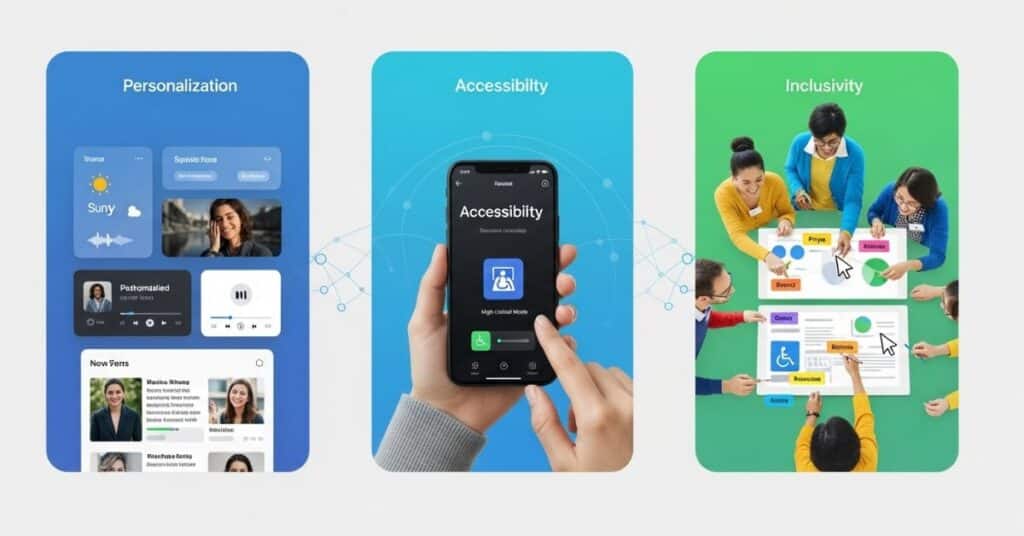
Personalization is no longer optional—it’s expected. AI-powered prototyping software uses user research and adaptive interfaces to shape individualized experiences. Personalized UX powered by data helps brands build relationships that feel real. For instance, streaming platforms use predictive behavior UX to suggest shows based on mood or time of day.
Inclusive design isn’t just a checkbox. Accessibility-first design systems now guide every stage of product development. Designers rely on empathy mapping to craft contextual interaction that speaks to everyone—people with visual impairments, language differences, or neurodiverse thinking styles. UX writing and microcopy reflect warmth and understanding, while localized UX ensures comfort across cultures and regions.
Security, Trust & Authentication Trends

In a time when privacy feels fragile, UI/UX Design Trends focus heavily on trust. Biometric authentication like fingerprints or facial scans is replacing passwords. These systems make access fast yet secure. Transparent security screens and privacy dashboards let users see how data moves, fostering reliability and openness.
Privacy-centered UX means explaining, not hiding. When users know where their data goes, confidence rises. Ethical design—where every permission feels fair—sets brands apart. Transparent data design is becoming part of the user interface innovations shaping the digital future, ensuring companies respect both functionality and ethics.
Collaboration and Design Systems

Collaboration has become the heartbeat of digital product design. With teams spread across states and time zones, remote collaboration tools and design systems as a source of truth keep workflows unified. UXPin, Figma, and Merge Technology UXPin allow code-first design and faster updates across large teams.
Component libraries guarantee design consistency across devices, making brands recognizable everywhere. This shift toward design automation helps teams spend less time aligning visuals and more time solving user problems. Collaboration is now less about sharing files and more about seamless cross-platform UX through shared digital ecosystems.
The Rise of Super Apps & Integrated Ecosystems
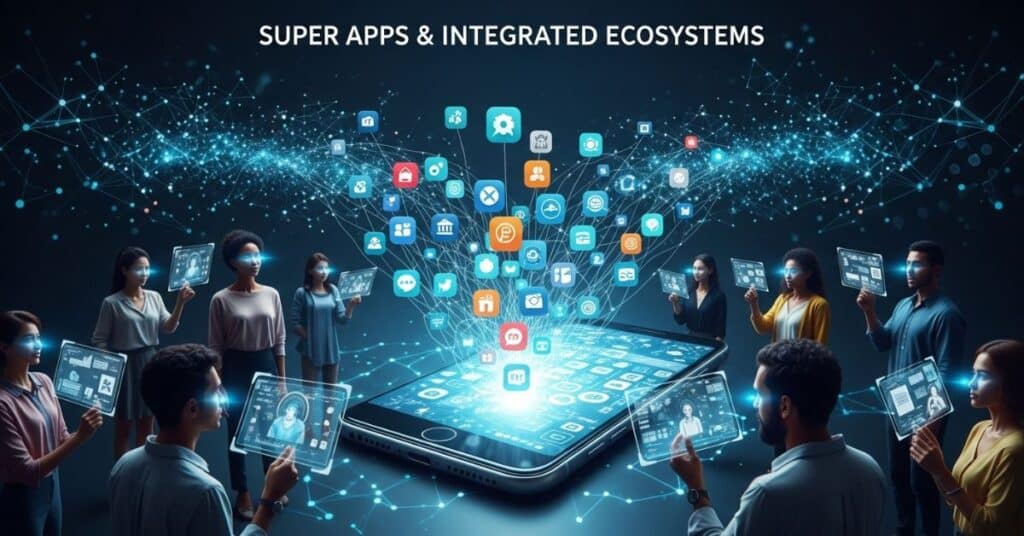
One of the boldest emerging UX design ideas is the rise of super apps—platforms that merge multiple services into one ecosystem. Apps like WeChat in Asia inspired U.S. giants like Meta and X (Twitter) to experiment with unified experiences. These platforms mix messaging, payments, and shopping in a single user interface innovation.
The design challenge lies in keeping it intuitive. Each added feature must feel natural, not cluttered. This calls for smarter navigation, predictive suggestions, and modular layouts. The UI/UX Design Trends era rewards simplicity even in complexity—making multi-device experiences fluid and human.
Why Following UI/UX Design Trends Matters for Designers and Brands
For businesses, ignoring new UX/UI design trends means falling behind. U.S. consumers are spoiled for choice and quickly leave clunky apps. Brands that invest in AI in UX design, motion graphics for apps, or 3D UI tools often report higher conversion rates and stronger emotional bonds with users.
Designers who stay informed build more than interfaces—they build loyalty. Following these design patterns ensures relevance in a saturated market. As Machine Learning and Generative Models evolve, so will the need for empathy and creativity in balancing automation with artistry.
What’s Influencing These UI/UX Design Trends
Technology and emotion drive the evolution of UI/UX Design Trends. AR/VR experiences, Location Services, and Cross-Device Synchronization redefine engagement. Hardware innovations—foldable phones, tactile feedback, haptic sensors—open new interaction frontiers.
Shifts in user psychology and sustainability also play key roles. Users demand ethical, mindful digital spaces. Artificial Intelligence shapes personalization, while Generative AI tools for designers cut time and cost. Market competition pushes companies toward sustainable innovation, forcing designers to craft smarter, faster, and greener digital experiences.
Conclusion – Designing for Humans, Not Just Screens
The future of UI/UX Design Trends is human. Every color, word, and motion now speaks to emotion and trust. UI/UX Design Trends remind us that innovation must feel personal. Technology may power the tools, but empathy powers the connection.
Designers in aren’t just shaping screens, they’re shaping how people feel, act, and connect. The challenge and reward lie in creating experiences that listen, respond, and adapt like real conversations.
Frequently Asked Questions
What are the biggest UI/UX Design Trends for?
AI-driven personalization, 3D visual elements, animated icons, and emotionally intelligent UX lead the change.
Which trend should new designers focus on?
Learn AI-integrated UX tools like Framer, UXPin, and Figma to stay future-ready.
Are 3D and AI-based designs practical for real apps?
Yes, brands use 3D user interfaces and AI-powered prototyping software for realism and speed.
How can small businesses adopt these trends?
Start with affordable UI design software for professionals and focus on empathy, clarity, and personalization.
Quote to Remember
“Design is intelligence made visible.” – Alina Wheeler

Detail-oriented and results-driven professional with nearly 3 years of experience specializing in Advanced SEO, WordPress Development, and AI-Driven Content Strategy. Proven ability to enhance website performance, optimize technical SEO elements, and execute high-impact content and off-page campaigns. Successfully bridged technical skills (React.js, Debugging) with marketing expertise (Keyword Research, Analytics) to deliver measurable digital growth. Seeking a challenging role to leverage emerging Generative AI and Prompt Engineering skills for innovative digital solutions.